
Don't Let Mold Take the Wheel: Your Car Care Q&A
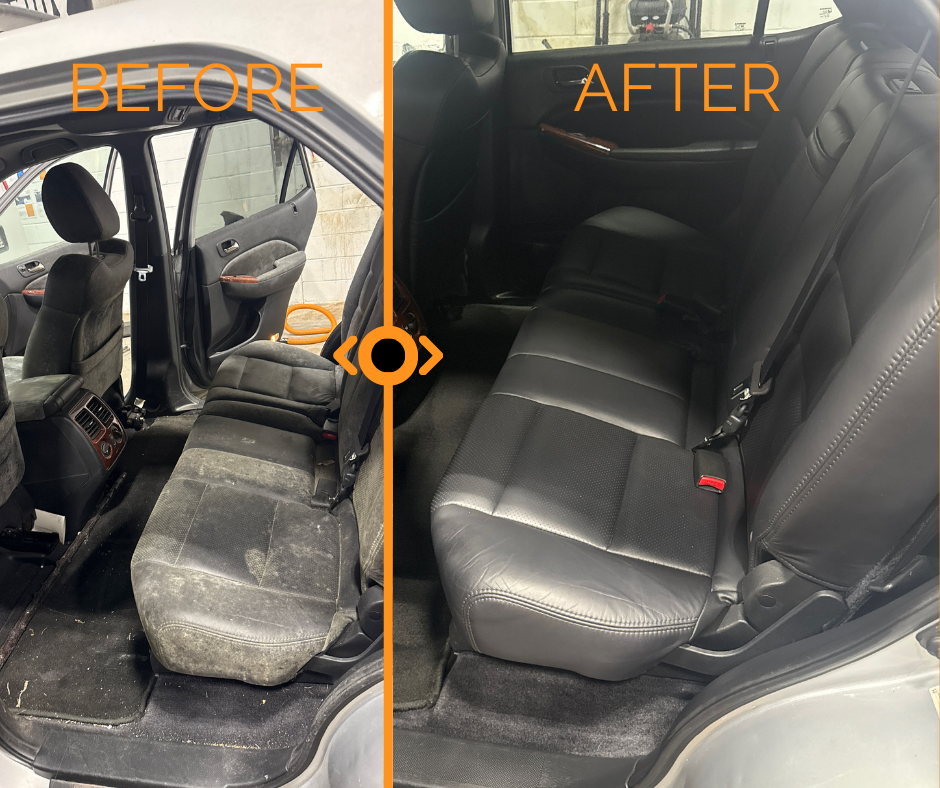
It’s easy to overlook, but mold can quickly turn your car from a comfortable commute into a health hazard. Cars provide just the right mix of conditions—moisture, warmth, and organic materials for mold to take hold and spread before you even realize there’s a problem. From mysterious musty smells to unsightly stains, mold is sneakier than you might think. But with a little knowledge, you can spot, prevent, and tackle car mold before it becomes an issue.
That musty smell you can’t quite place? It might be more than just old french fries under the seat. Mold growth in a vehicle is surprisingly common, but it's also preventable and treatable. We've put together this Q&A to help you understand the risks, protect your car, and tackle any fuzzy intruders that have already moved in. Let's get your car back to being a clean, healthy space for you and your passengers.
Your Questions on Car Mold, Answered
Here’s everything you need to know about identifying, preventing, and removing mold from your vehicle.
Q1: How does mold even start growing in a car?
A1: Mold needs three things to thrive: moisture, a food source, and a dark, warm environment. Your car, unfortunately, can easily provide all three. Moisture can enter through a leaky sunroof, a poorly sealed window, or even from wet clothes and umbrellas left inside. Spilled drinks that aren't cleaned up properly are also a major culprit. The "food" for mold spores includes the dust, dirt, crumbs, and organic fibers found in your car's upholstery, carpets, and air vents. Parked in the sun, your car's interior heats up, creating the perfect incubator for mold spores to multiply.
Q2: What are the first signs of mold I should look for?
A2: The most common first sign is a distinct, musty odor that doesn't go away, even after airing out the car. Visually, you might see fuzzy patches that can be white, green, or black. These often appear on the floor mats, under the seats, on the seatbelts, or deep within the upholstery. Sometimes, you might just notice discoloration or staining on the fabric. Don't dismiss a persistent smell; it's your car's way of telling you to look closer.
Q3: Why is mold in my car a big deal?
A3: Beyond the unpleasant smell and appearance, mold can pose health risks. The enclosed space of a car concentrates airborne mold spores, which can trigger allergic reactions, asthma attacks, and other respiratory issues in sensitive individuals. Symptoms can include sneezing, coughing, itchy eyes, and headaches. For the sake of your health and the well-being of anyone who rides with you, addressing mold is not just about cleanliness, it's about creating a safe environment. It can also permanently damage your car's interior and significantly decrease its resale value.
Q4: How can I prevent car mold from growing in the first place?
A4: Prevention is always the best strategy. Think of it as proactive leadership for your vehicle's health.
- Control Moisture: Immediately clean up any spills. Avoid leaving wet items like gym clothes, towels, or umbrellas in your car. If you live in a humid climate, consider using a car dehumidifier.
- Check for Leaks: Regularly inspect window seals, sunroof drains, and door gaskets for any signs of wear or damage that could let water in. A quick check after a car wash or heavy rain can save you a lot of trouble.
- Keep it Clean: Regularly vacuum your car's interior, including under the seats and floor mats. This removes the food sources mold needs to grow. A professional detail every so often is a great investment in prevention.
- Use All-Weather Mats: Rubber or plastic floor mats are easier to clean and dry than carpeted ones, and they protect the underlying carpet from moisture.
- Let It Breathe: On dry, sunny days, open your windows or sunroof for a bit to air out the interior and let sunlight in. UV rays can help kill mold spores.
Q5: I've found mold. What's the best way to remove it?
A5: If you've discovered mold, it's time to act. For small, surface-level spots, you may be able to handle it yourself.
- Safety First: Wear a mask, gloves, and eye protection. You do not want to inhale mold spores or get them on your skin.
- Ventilate: Park your car in a well-ventilated, outdoor area and open all the doors and windows.
- Vacuum: Use a vacuum with a HEPA filter to carefully go over the affected areas. This will pull up loose spores before you start scrubbing.
- Clean: For a DIY solution, you can use a mixture of equal parts white vinegar and water. Lightly spray the solution on the moldy area (do not saturate it) and let it sit for a few minutes. Then, scrub the area with a stiff brush.
- Dry Completely: This is the most critical step. Use a wet/dry vac to extract as much moisture as possible. You can also use fans or a dehumidifier to ensure the area is bone dry. Leaving any dampness behind is like inviting the mold to come right back.
Q6: When should I call a professional detailer?
A6: While a DIY approach can work for minor issues, there are times when calling a professional is the smarter, safer choice. If the car mold covers a large area (more than a square foot), if it has penetrated deep into the cushions or carpet padding, or if the musty smell persists after your cleaning attempt, it's time for an expert. Professional detailers have specialized equipment, like steam cleaners and ozone generators, that can safely and effectively kill mold and eliminate odors without using harsh chemicals that could damage your car's interior. They can ensure the problem is truly gone, giving you peace of mind.
Take Responsibility for Your Ride
Just as we take responsibility for our decisions in business and life, we must do the same for the spaces we inhabit. Your car is more than just a tool to get from one place to another; it's a part of your daily environment. Keeping it clean and mold-free is an act of self-care and respect for your own well-being. By staying vigilant and taking proactive steps, you can ensure your vehicle remains a source of convenience and freedom, not a health hazard.
Featured Blog
When a Car Starts to Feel Old (And Why It Happens Inside First)
When a car feels old, it didn't happen suddenly.
There’s no single day when you wake up and think, “That’s it. It’s aged.”
Instead, it happens slowly.
A little wear on the seat bolster.A steering wheel that feels s...
 View all posts
Let's get your vehicle shining
On The Spot’s mobile car, RV, boat, motorcycle, and dealer detailing services holds a reputation for being a customer-first company. A quality we take pride in being part of an industry where such conditions are rare. Especially when combined with 5-star professional customer service.


10921 Pump House Rd, Suite E,
Annapolis Junction MD 20701
Services:
Operating Hours:
Monday Through Saturday – 9am-6pm
